


A driveway is more than just a place to park, it’s the first impression of your property. Over time, even the most durable surfaces begin to show signs of wear from weather, heavy loads, and daily use. Knowing when it’s time to resurface your driveway can save you from costly replacements later.
For property owners, contractors, and designers across Dallas–Fort Worth, resurfacing offers a smart, cost-effective way to restore function, beauty, and durability to asphalt or concrete driveways.
5 Signs It’s Time to Resurface Your Driveway

Surface Cracks and Alligator Cracking
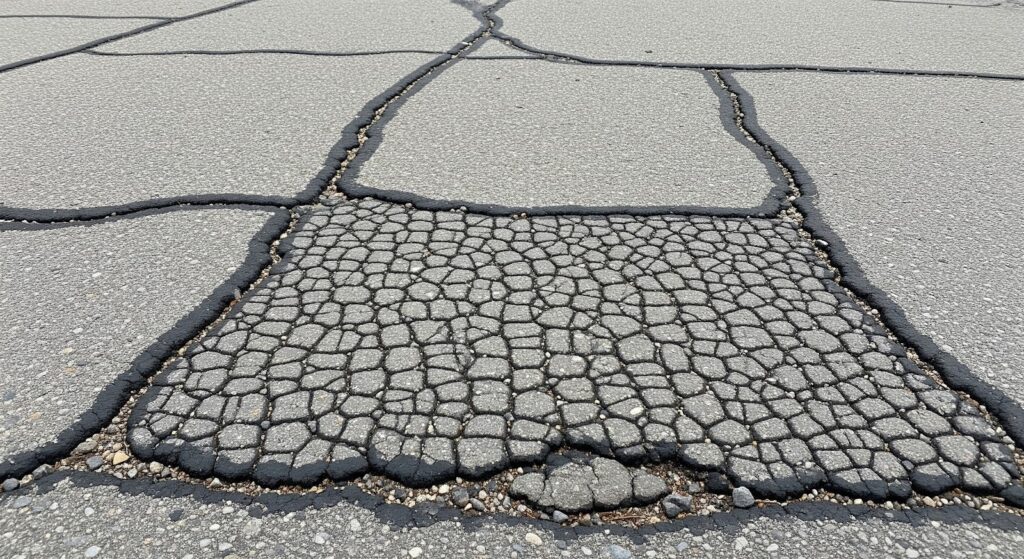
Cracks are the earliest and most common warning signs that your driveway needs resurfacing. Fine surface cracks may seem harmless, but they often allow water to seep in, weakening the base layer. When multiple cracks connect in a pattern resembling alligator skin, it’s a clear indicator that resurfacing is overdue.
Cracks not only reduce your driveway’s visual appeal but can quickly spread under pressure and temperature changes, leading to deeper structural issues.
Key signs include:
- Thin hairline cracks spreading across the surface
- Web-like “alligator” cracking patterns
| Crack Type | Severity | Recommended Action |
| Hairline | Mild | Seal and resurface |
| Alligator | Moderate to Severe | Full resurfacing needed |
| Expansion | Structural | Professional evaluation |
Potholes and Loose Gravel
Potholes form when water seeps below the surface and erodes the foundation. If you notice multiple potholes or areas where gravel has loosened, resurfacing becomes essential. Ignoring these damages can lead to further cracking, uneven surfaces, and vehicle damage.
For asphalt driveways, potholes can grow rapidly during DFW’s hot summers and occasional freezes. In concrete, surface scaling or small craters may signal similar degradation.
Watch for these indicators:
- Depressions or small holes forming in the surface
- Gravel or sand loosening at the edges
- Increased tire vibration while driving over the area
Fading and Discoloration
Over time, UV rays and oil spills can fade the rich black or gray tones of your driveway. Discoloration isn’t just aesthetic—it often points to surface oxidation or worn protective coatings.
A faded driveway loses its protective layer, allowing moisture, oil, and chemicals to penetrate deeper. Resurfacing restores color, texture, and resistance to further damage.
Signs your surface is fading:
- Dull gray or chalky appearance
- Visible oil stains that don’t clean off easily
- Uneven coloration across sections
Resurfacing with Duraamen’s UV-resistant coatings helps preserve long-lasting color vibrancy and durability under Texas sunlight.
Drainage Issues and Standing Water
If puddles linger after rainfall, it’s more than an eyesore—it’s a structural concern. Poor drainage can soften the sub-base and accelerate crack formation.
Resurfacing can correct minor slope issues and restore proper water flow. It’s crucial to address drainage early, as standing water can undermine the surface and lead to deeper repairs.
Look for these red flags:
- Puddles or pooling after rain
- Erosion at driveway edges
- Mildew or moss growth in low areas
Age of Your Driveway
Even with regular maintenance, driveways have a lifespan. Asphalt typically lasts around 15–20 years, while concrete can endure 25–30 years. After this period, the surface begins losing flexibility and resistance.
If your driveway is approaching or exceeding this age range, resurfacing offers a cost-effective alternative to total replacement, improving longevity and performance.
Average Lifespan Chart:
| Material | Typical Lifespan | When to Resurface |
| Asphalt | 15–20 years | Every 8–12 years |
| Concrete | 25–30 years | Every 10–15 years |
Understanding Driveway Resurfacing
Driveway resurfacing involves applying a new layer of material, usually asphalt or concrete, over the existing surface to restore its smoothness and strength. It’s different from simple patching or sealing; resurfacing renews both appearance and durability.
The process often includes cleaning, repairing minor damage, and applying a bonding layer before the new surface goes down.
Benefits of Resurfacing vs. Full Replacement
Resurfacing offers many of the benefits of a new driveway without the high cost or downtime. It’s faster, less disruptive, and environmentally friendly since the existing structure remains intact.
Advantages of resurfacing include:
- Reduced cost compared to replacement
- Minimal downtime and disruption
- Improved curb appeal
- Extended driveway lifespan
When replacement is necessary:
- Deep structural damage
- Severe foundation erosion
- Extensive drainage failure
Cost Considerations for Driveway Resurfacing
Resurfacing is generally more affordable than replacement. Costs vary depending on size, material, and condition, but homeowners in Dallas–Fort Worth typically spend between $3–$7 per square foot.
Cost Comparison Table:
| Option | Average Cost (per sq. ft.) | Lifespan Added |
| Asphalt Resurfacing | $3–$5 | 8–12 years |
| Concrete Resurfacing | $4–$7 | 10–15 years |
| Full Replacement | $8–$15 | 20–30 years |
The Importance of Timely Driveway Maintenance
Preventing Further Damage
Early resurfacing prevents small cracks and potholes from turning into expensive structural repairs. Neglecting maintenance can double or triple long-term costs.
Timely resurfacing seals your driveway’s surface, protects it from moisture, and prevents deeper erosion.
Preventative maintenance checklist:
- Seal cracks annually
- Remove debris after heavy storms
- Reapply protective coating every few years
Enhancing Curb Appeal
A freshly resurfaced driveway elevates your property’s overall appearance. For architects and designers, it’s an easy way to enhance the visual harmony of a home or commercial space.
Whether it’s asphalt’s sleek black finish or concrete’s polished texture, resurfacing adds instant sophistication.
Visual benefits:
- Smooth, uniform surface
- Enhanced property value
- Professional first impression
Improving Safety for Vehicles and Pedestrians
Uneven or cracked driveways pose tripping hazards and vehicle wear. Resurfacing ensures a level, skid-resistant surface—especially important for families, visitors, and clients.
Smooth surfaces also prevent water pooling that can cause slips during rain.
Safety improvements include:
- Even traction for tires
- Reduced trip hazards
- Better drainage for wet conditions
Asphalt vs. Concrete Driveways
Pros and Cons of Each Material
| Material | Pros | Cons |
| Asphalt | Flexible, cost-effective, easy to repair | Fades faster, needs sealing |
| Concrete | Durable, customizable finish, heat-resistant | Higher upfront cost, longer cure time |
Lifespan and Maintenance Requirements
Concrete driveways last longer but require professional care to avoid cracks. Asphalt needs more frequent sealing, but is easier to resurface.
Maintenance Summary:
- Asphalt: Seal every 2–3 years
- Concrete: Reseal every 4–5 years
- Both: Regular cleaning and drainage maintenance
DIY vs. Professional Driveway Resurfacing
When to Attempt DIY Repairs
Small cracks or surface blemishes can be fixed with DIY patching kits. However, resurfacing requires skill and equipment to ensure even application and long-term results.
DIY is best for:
- Minor cracks under ¼ inch wide
- Small surface patches
- Temporary fixes
Benefits of Hiring Professional Contractors
Professional resurfacing ensures durability, precision, and compliance with local standards. Duraamen’s experts use advanced tools and high-quality materials that outperform basic DIY methods.
Professionals also assess structural issues, ensuring your driveway remains functional for years.
Professional advantages:
- Uniform surface application
- Long-lasting coatings
- Warranty-backed work
Choosing the Right Contractor
Select licensed, insured professionals with experience in driveway resurfacing. Always ask for detailed quotes and previous project references.
Tips for choosing wisely:
- Verify local licenses and reviews
- Request on-site inspection
- Compare materials and techniques
Driveway Maintenance Tips
Regular Cleaning and Sealing
Sweep away debris, power-wash the surface, and seal it every few years to prevent cracks and stains.
Cleaning essentials:
- Use a gentle detergent and water
- Avoid harsh chemicals
- Reseal when color fades
Addressing Minor Repairs Promptly
Quick repairs stop small cracks from spreading. Use filler compounds and crack sealants to preserve surface strength.
Repair essentials:
- Fill cracks before winter
- Use high-grade patching mix
- Level out dips early
Proper Snow and Ice Removal Techniques
Avoid metal shovels and corrosive de-icers that damage surface coatings. Use rubber-blade shovels and sand instead.
Winter care checklist:
- Shovel snow promptly
- Avoid salt-based products
- Use sand for traction
Environmental Factors Affecting Driveway Longevity
Climate and Weather Impacts
Dallas–Fort Worth’s hot summers and cold snaps cause expansion and contraction in driveway materials. These cycles accelerate cracking.
Protection tips:
- Resurface before summer peaks
- Apply UV-resistant coatings
- Maintain proper drainage
Tree Root Damage
Roots under the driveway lift and crack the surface. If trees are nearby, resurfacing with reinforced materials helps prevent uneven settling.
Preventive measures:
- Install root barriers
- Remove invasive roots early
- Monitor edge lifting
Chemical Spills and Stains
Oil, antifreeze, and cleaning chemicals degrade coatings and weaken surfaces. Clean spills immediately to avoid permanent damage.
Common culprits:
- Motor oil and gas leaks
- Fertilizer residue
- Harsh detergents
Final Thoughts
Your driveway is one of the most visible and functional parts of your property, and like any surface that takes daily wear, it needs care at the right time. Recognizing early warning signs such as cracks, potholes, discoloration, drainage issues, and age allows you to act before costly replacements become inevitable.
Resurfacing is a smart investment that restores durability, safety, and visual appeal without the expense of full reconstruction. For property owners and professionals across Dallas–Fort Worth, choosing the right materials and skilled contractors can make the difference between a quick fix and a long-term solution.
With Duraamen’s advanced resurfacing systems, you can achieve a flawless, high-performance finish that stands up to Texas weather while enhancing your property’s value and curb appeal. A properly resurfaced driveway doesn’t just look good, it performs better, lasts longer, and adds lasting pride to your project.