


Microcement, a modern surfacing material, is gaining significant traction in the architecture and construction of high-rise residential and commercial buildings. This thin, cement-based coating offers a seamless, monolithic finish that appeals to contemporary design sensibilities. For architects, developers, and property owners considering flooring options for apartments, offices, or lobbies, microcement presents a compelling but nuanced proposition. This article cuts through the marketing hype to provide a balanced, practical analysis. We’ll explore its genuine structural benefits, aesthetic appeal, and critically, its limitations and risks in the dynamic environment of a high-rise building.
What Is Microcement Flooring?
Microcement (or micro-topping) is a polymer-modified cementitious coating applied in multiple thin layers, typically just 2-3 mm thick. Its composition, a blend of cement, polymers, resins, and mineral aggregates creates a highly adhesive and flexible finish compared to traditional concrete. Unlike bulky polished concrete slabs or jointed tiles, microcement is a surface treatment. It’s also distinct from industrial epoxy floors; while both are seamless, microcement offers a more natural, matte to semi-gloss mineral aesthetic and is generally more breathable.
Why Microcement Is Popular in High-Rise Buildings
The appeal in tall structures is multifaceted. Its ultra-thin, lightweight profile directly addresses load constraints. The seamless finish aligns with minimalist, luxury interiors, and its ability to be applied over existing substrates makes it a powerful tool for renovations without raising floor heights significantly.
Pros of Microcement Floors in High-Rise Buildings
Lightweight & Structurally Friendly
This is microcement’s most significant advantage for high-rises. At ~3kg/m² per mm of thickness, it adds negligible dead load to the structural slab. This is crucial for buildings where every kilogram counts, allowing for design flexibility without requiring structural reinforcement.
Seamless & Joint-Free Aesthetic

It creates a continuous, monolithic flow from room to room and even onto walls. This is ideal for apartment interiors and commercial spaces, enhancing the perception of space, simplifying cleaning, and eliminating grout lines that can stain or crack.
Low Thickness & Renovation-Friendly
With a total build-up of only 2-5mm, microcement flooring is perfect for refurbishments. It can be installed directly over sound existing floors (tiles, terrazzo, screed), avoiding the costly and disruptive demolition, debris removal, and height adjustments associated with other flooring systems.
Modern, Luxury Appearance
It offers a customizable, contemporary look with a range of colors, textures, and finishes. This design versatility allows it to meet high-end residential and corporate branding standards with a unique, artisan quality.
Relatively Easy Maintenance
When properly sealed, its non-porous surface resists stains, water, and most chemicals. Daily cleaning requires only sweeping and damp mopping, a benefit for busy households and commercial corridors.
Works on Existing Surfaces
As a renovation champion, it can unify disparate floor levels and materials into one coherent surface, saving time and material waste in retrofit projects.
Limits & Disadvantages (The Critical Considerations)
Cracking Risk from Building Movement
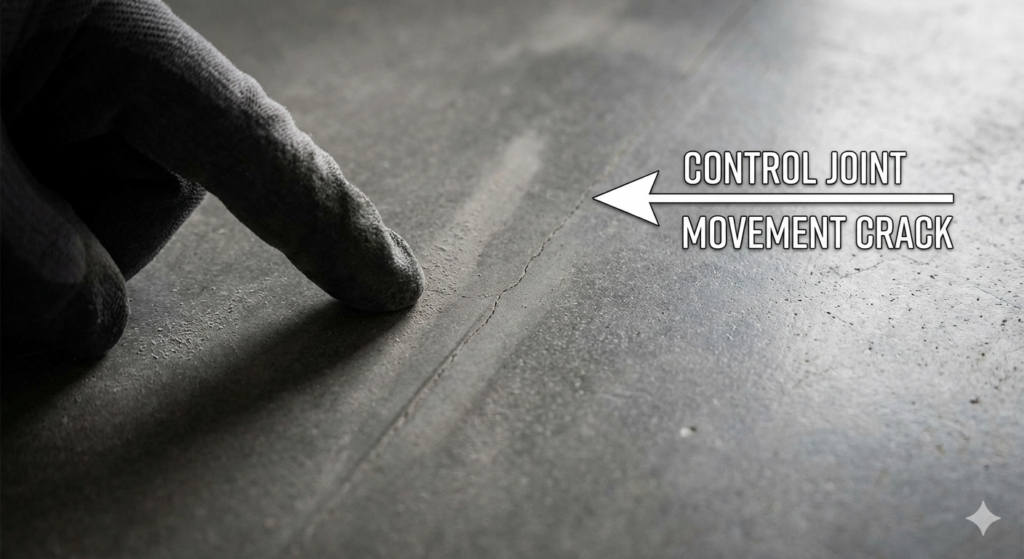
High-rise buildings are dynamic: they sway, vibrate, and experience long-term settlement. Microcement is not structural. While flexible for a cement product, it can develop hairline cracks if the substrate moves or cracks. This risk is highest at control joints, slab connections, and areas of known structural deflection.
Requires Expert, Specialized Installation
This is not a DIY or general contractor task. Successful application demands technicians skilled in substrate preparation, precise mixing, layer application, and sealing. Poor installation is the leading cause of failure, leading to delamination, excessive cracking, or moisture issues.
Moisture & Waterproofing Demands
While the sealed surface is waterproof, the system is only as good as its preparation. In wet areas (bathrooms, kitchens) or on-grade slabs, a separate, fully bonded waterproofing membrane must be installed beneath the microcement. Failure to do so can lead to moisture migration, causing bubbling or adhesive failure.
Higher Initial Cost vs Standard Tiles
Material and specialized labor make microcement more expensive per square meter than conventional ceramic or porcelain tile installations. The value is in the aesthetic and seamless benefits, not cost-saving.
Repair Visibility
Though repairable, fixing a localized scratch or stain often requires re-coating a larger section to avoid visible patching. Achieving a perfect color and texture match later can be challenging.
Not for Poor or Unprepared Substrates
It magnifies substrate flaws. An uneven, crumbling, or poorly bonded base will lead to failure. Extensive substrate grinding, leveling, and priming are non-negotiable and add to project time and cost.
Is Microcement Safe for High-Rise Structural Movement?
The answer is conditionally yes. It can perform well if the building’s movement is accounted for in the design.
- Expansion Joints & Control Joints: These must be respected. Microcement cannot bridge expansion joints; they must be carried through the finish. Control joints in the substrate should be mirrored in the microcement with a soft joint to control cracking.
- Flexible Layer Systems: For apartments, using an uncoupling or crack-bridging membrane beneath the microcement can absorb minor substrate movement and stress.
- When to Avoid It: Do not specify microcement on new structures undergoing initial settlement (wait at least 6-12 months), on known unstable or cracked substrates, or in areas with excessive vibration without engineered solutions.
Best Areas in High-Rise Buildings for Microcement
- Apartments: Living rooms, bedrooms, kitchens (with proper prep).
- Bathrooms: An excellent choice if a certified waterproofing system is installed underneath.
- Lobbies & Corridors: Creates a stunning, continuous entry experience; ensure high-traffic areas use a durable, high-quality sealer.
- Offices & Commercial Floors: Ideal for open-plan offices, boutique retail, and hotels where a modern, seamless look is desired.
Microcement vs Other Flooring Options
Microcement vs Tiles
- Microcement: Seamless, thin, modern. Higher risk of visible cracking, requires expert install.
- Tiles: More affordable, highly durable, easy to replace a single unit. Has grout lines, thicker profile, can feel cold/hard.
Microcement vs Epoxy
- Microcement: Natural, mineral aesthetic. More breathable, less plastic-like. Can be less chemically resistant.
- Epoxy: Superior chemical and abrasion resistance for industrial settings. Often has a high-gloss, plastic appearance. Can be slippery when wet.
Microcement vs Polished Concrete
- Microcement: Thin overlay, can go over existing floors. More design flexibility in color.
- Polished Concrete: Uses the structural slab, extremely durable. Limited to new builds or major renovations, fewer color options, can be cold.
Installation Guidelines for High-Rise Projects
- Substrate Preparation: The single most important step. Must be clean, sound, level, and profiled for mechanical adhesion. Any laxity here guarantees problems.
- Waterproofing: In mandated areas, install a fully bonded, sheet or liquid-applied membrane with details at drains and upstands.
- Application: Applied in 2-3 coats (primer, base, top) by certified applicators. Ambient temperature and humidity control are critical during curing.
- Sealing: Multiple coats of a high-quality, UV-stable penetrating sealer (e.g., polyurethane, epoxy) are applied for protection and sheen.
- Curing Time: While touch-dry quickly, full cure and hardness develop over 7-28 days. Light traffic can often resume after 3-7 days.
Final Verdict: Is Microcement Right for High-Rise Buildings?
Microcement is an excellent choice for high-rise buildings when its properties are matched to the right project with meticulous planning and execution.
Choose microcement if:
- You prioritize a seamless, modern aesthetic.
- The project is a renovation with load or height restrictions.
- You have the budget for specialized, expert installation.
- The substrate is sound and stable, and building movement can be managed.
- You are specifying for interior, non-industrial spaces.
Avoid microcement or proceed with extreme caution if:
- The budget is tight, and tiles are a viable alternative.
- You cannot vet or guarantee the skill of the installer.
- The building is new and undergoing initial settlement.
- The substrate has known movement or moisture issues.
- The area requires extreme chemical or abrasion resistance.
In summary, microcement flooring is a sophisticated tool for the architectural toolbox—not a universal solution. Its success in a high-rise hinges on respecting both its aesthetic potential and its very real technical limits.