


Choosing the best garage floor coating isn’t just about looks, it’s about durability, protection, and performance. Your garage floor faces daily stress from vehicles, tools, and temperature changes, so picking the right coating can make a big difference in how long it lasts. With options like epoxy, polyaspartic, and polyurethane, each offering unique benefits, it’s easy to get confused.
That’s why it’s important to know what really matters before you decide. In this article, we’ll cover the top 11 considerations when choosing the best garage floor coating, so you can invest wisely and keep your garage floor strong and spotless for years.
Top Considerations When Choosing the Best Garage Floor Coating
The Texas climate, known for its extreme temperatures, can significantly impact the durability of garage floor coatings. The intense heat can cause some coatings to expand and contract, leading to cracks and peeling. Therefore, it’s crucial to choose a coating that can withstand these temperature fluctuations.
UV Resistance for Harsh Sunlight Exposure
In Texas, the sun can be relentless, and UV rays can damage standard garage floor coatings. UV resistance is essential to prevent fading and degradation over time.
- Choose coatings with built-in UV inhibitors.
- Polyaspartic topcoats are excellent for UV protection.
- Consider lighter colors to reflect sunlight and reduce heat absorption.
Moisture & Vapor Protection for Humid Regions
Humidity can lead to moisture buildup, which can damage garage floors. Moisture and vapor protection are vital to prevent mold and mildew growth.
- Select coatings with moisture barriers.
- Ensure proper floor preparation to seal against vapor.
- Consider epoxy coatings for their excellent moisture resistance.
Chemical & Stain Resistance for Vehicle Spills
Garages are prone to spills from oil, gasoline, and other chemicals. A coating with chemical and stain resistance will maintain its appearance and integrity.
- Look for coatings with high chemical resistance ratings.
- Polyurea coatings offer superior stain resistance.
- Regular maintenance can enhance longevity.
Slip-Resistance & Safety on Wet Surfaces
Safety is paramount, especially in areas prone to wet conditions. Slip-resistant coatings can prevent accidents and ensure safe footing.
- Add anti-slip additives to the coating.
- Choose textures that enhance grip.
- Consider the environment and potential for water exposure.
Impact & Abrasion Resistance for Heavy Use
Garages often endure heavy use, from vehicles to tools. Impact and abrasion resistance are crucial for maintaining a pristine floor.
- Opt for thick coatings that can withstand heavy loads.
- Epoxy and polyurea are known for their durability.
- Regular inspections can help identify wear and tear early.
Fast-Cure vs Standard-Cure Materials
The curing time of a garage floor coating can affect installation and usability. Fast-cure materials offer quicker turnaround times but may come at a higher cost.
- Fast-cure options are ideal for quick projects.
- Standard-cure materials may offer more flexibility in application.
- Consider your timeline and budget when choosing.
Thickness & Layer Requirements for Long-Term Strength
The thickness of the coating and the number of layers applied can influence the floor’s strength and longevity.
- Thicker coatings generally offer better protection.
- Multiple layers can enhance durability.
- Follow manufacturer recommendations for best results.
DIY Coatings vs Professional Installation
Deciding between DIY and professional installation depends on your skill level and the complexity of the project.
- DIY can be cost-effective but requires careful preparation.
- Professional installation ensures quality and warranty.
- Evaluate your capabilities and the project’s demands.
Budget, Warranty & Lifetime Value Evaluation
Budget constraints and warranty options play a significant role in choosing the right coating. It’s essential to balance cost with long-term value.
- Compare the warranties offered by different manufacturers.
- Consider the lifetime value and potential savings on repairs.
- Budget for both initial costs and future maintenance.
Aesthetic Options: Colors, Flakes & Gloss Levels
Aesthetic appeal is important for many homeowners. The right color, flake, and gloss level can enhance your garage’s look.
- Choose colors that complement your home.
- Flake systems add texture and visual interest.
- Gloss levels can range from matte to high gloss, depending on preference.
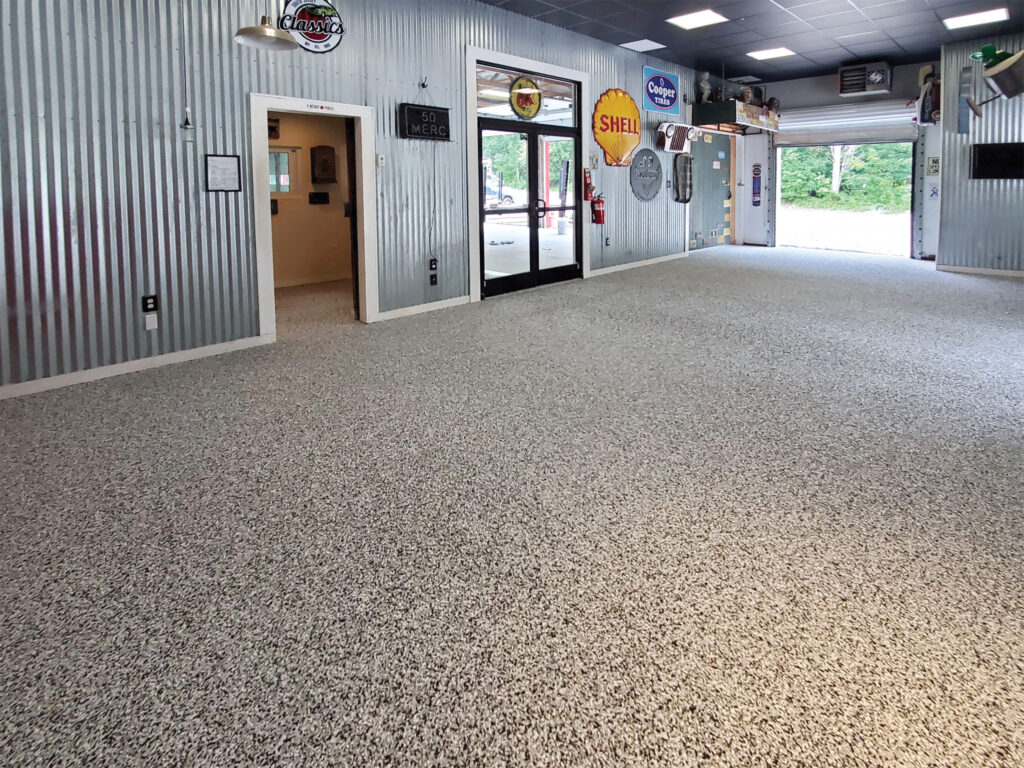
Types of Garage Floor Coatings
Understanding the different types of garage floor coatings can help you make an informed decision. Each type offers unique benefits and considerations.
Epoxy Coatings for Heavy-Duty Durability
Epoxy coatings are known for their strength and durability, making them a popular choice for garages.
- Ideal for high-traffic areas.
- Offers excellent chemical resistance.
- Requires proper surface preparation for best results.
Polyurea & Polyaspartic Coatings for Fast Cure Times
Polyurea and polyaspartic coatings are favored for their quick curing times and flexibility.
- Fast application and return to service.
- Superior UV and chemical resistance.
- Suitable for both residential and commercial use.
Concrete Sealers and Paints — Budget-Friendly Options
For those on a budget, concrete sealers and paints offer a cost-effective solution.
- Easy to apply and maintain.
- Provides basic protection against stains and moisture.
- Not as durable as epoxy or polyurea options.
Metallic and Decorative Systems for Premium Finishes
For a high-end look, metallic and decorative systems provide a unique and luxurious finish.
- Creates a stunning visual effect.
- Customizable with various colors and patterns.
- Requires professional installation for best results.
Slip Resistance & Safety
Ensuring slip resistance and safety in your garage is crucial, especially in wet conditions.
Anti-Slip Additives and Texture Options
Adding anti-slip additives can enhance the safety of your garage floor.
- Available in various textures and grit levels.
- Can be mixed into the coating or applied as a top layer.
- Essential for areas prone to water exposure.
Choosing the Right Finish for Safe Footing
The finish of your garage floor can impact its safety and usability.
- Satin and matte finishes offer better grip than high gloss.
- Consider the environment and potential hazards.
- Balance aesthetics with functionality.
Gloss vs Satin vs Matte — Which Works Best Here?
The choice between gloss, satin, and matte finishes depends on your needs and preferences.
- Gloss finishes offer a sleek look but can be slippery.
- Satin provides a balance between aesthetics and safety.
- Matte finishes are ideal for maximum slip resistance.
Consider UV and Fade Resistance for Hot Texas Summers
UV and fade resistance are critical for maintaining the appearance and longevity of your garage floor in hot climates.
How UV Rays Damage Standard Epoxy?
Standard epoxy coatings can degrade under UV exposure, leading to fading and yellowing.
- UV rays break down the chemical bonds in epoxy.
- This can result in a dull and discolored appearance.
- Regular maintenance can mitigate some damage.
Why Polyaspartic Topcoats Shine in Hot Climates?
Polyaspartic topcoats are designed to withstand harsh UV exposure, making them ideal for hot climates.
- Offers superior UV resistance compared to epoxy.
- Maintains color and gloss over time.
- Quick curing time is an added benefit.
Best Colors to Reduce Heat and Fade Risk
Choosing the right color can help reduce heat absorption and fading.
- Light colors reflect sunlight and stay cooler.
- Dark colors may absorb more heat, but can be offset with UV-resistant coatings.
- Consider the overall aesthetic and functionality.
Design Choices for Texas Homes
Design choices can enhance the appeal and functionality of your garage floor, especially in Texas homes.
Flake Systems, Quartz Blends & Metallic Swirls
These design options add texture and visual interest to your garage floor.
- Flake systems offer a speckled look with added grip.
- Quartz blends provide durability and a unique appearance.
- Metallic swirls create a luxurious and modern finish.
Neutral vs Bold Finishes for Resale Value
The choice between neutral and bold finishes can impact your home’s resale value.
- Neutral finishes appeal to a broader audience.
- Bold colors can make a statement, but may not suit all buyers.
- Consider your long-term plans and potential buyers.
Matching Garage Coatings With Home Style
Coordinating your garage floor with your home’s style can create a cohesive look.
- Match colors and textures with your home’s exterior.
- Consider the architectural style and color palette.
- A well-coordinated garage can enhance curb appeal.
Final Thoughts
Choosing the Best Garage Floor Coating involves considering various factors, from climate impact to aesthetic preferences. By understanding the different types of coatings and their benefits, you can make an informed decision that meets your needs and enhances your garage’s functionality and appearance. Whether you opt for a durable epoxy or a quick-curing polyurea, the right choice will provide long-lasting protection and beauty for your garage floor.
FAQs
What is the most durable garage floor coating?
The most durable garage floor coating is typically epoxy, known for its strength and resistance to chemicals and abrasion. Polyurea and polyaspartic coatings also offer excellent durability with faster curing times. Choosing the right coating depends on your specific needs and environmental conditions.
How do I maintain my garage floor coating?
Maintaining your garage floor coating involves regular cleaning and addressing spills promptly. Use a mild detergent and water for routine cleaning, and avoid harsh chemicals that can damage the coating. Periodic inspections can help identify any areas that need touch-ups or repairs.
Can I apply garage floor coating myself?
Yes, you can apply garage floor coating yourself, especially if you choose a DIY-friendly product. However, professional installation ensures proper surface preparation and application, which can enhance the coating’s longevity and performance. Consider your skill level and the complexity of the project before deciding.