


Epoxy floor coatings have become a popular choice for both residential and commercial spaces due to their durability, aesthetic appeal, and versatility. Understanding the different types of epoxy floor coatings can help you make an informed decision for your specific needs. In this article, we will explore various epoxy floor coatings, their applications, and how to choose the best option for your space.
What Are the Different Types of Epoxy Floor Coatings
Self-Leveling Epoxy Coatings
Self-leveling epoxy coatings are designed to create a smooth, seamless surface over new or old concrete floors. They are ideal for spaces where a clean and polished look is desired. These coatings are easy to apply and can cover imperfections in the substrate, making them a popular choice for both commercial and residential applications.
- Benefits: Smooth finish, easy application, covers imperfections
- Applications: Warehouses, kitchens, garages, and living rooms
Epoxy Mortar Flooring
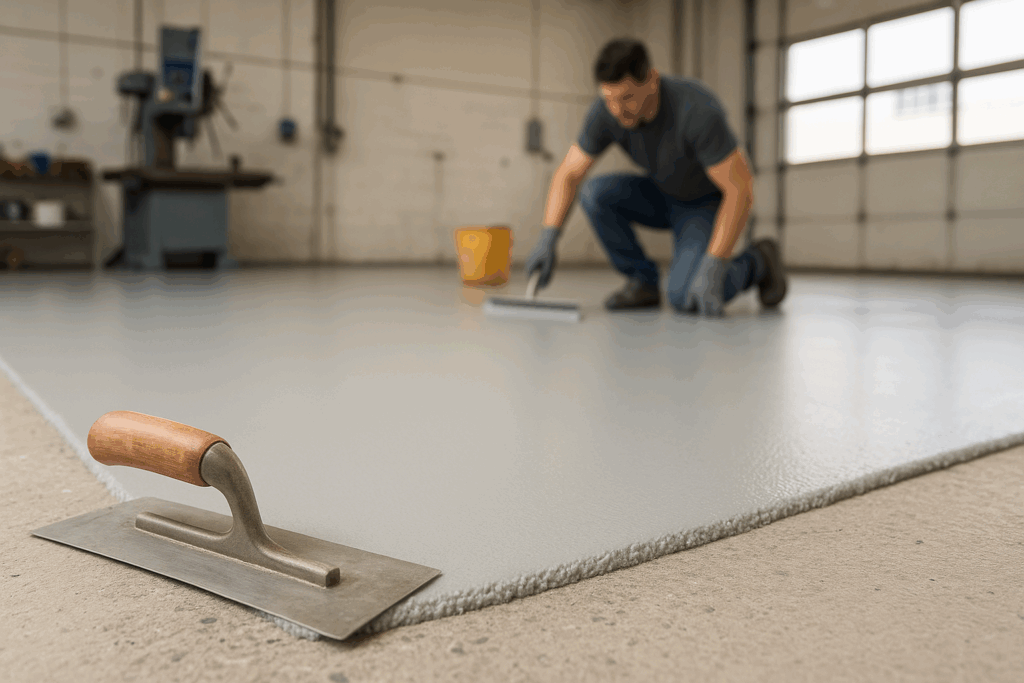
Epoxy mortar flooring is the most robust epoxy floor coating available. It is made from 100% solid epoxies and graded sand, providing exceptional durability and resistance to heavy impact. This type of flooring is perfect for industrial environments where heavy machinery is used.
- Benefits: High durability, impact resistance, chemical resistance
- Applications: Manufacturing plants, warehouses, and garages
Quartz-Filled Epoxy Systems
Quartz-filled epoxy systems combine high-performance epoxy polymer resin with colored quartz grains. This type of coating is not only durable but also offers a decorative finish. It is ideal for areas that require a slip-resistant surface.
- Benefits: Decorative finish, slip resistance, durability
- Applications: Locker rooms, restrooms, schools, and cafeterias
Anti-Static (ESD) Epoxy Coatings
Anti-static epoxy coatings are designed to reduce static hazards in sensitive environments. These coatings are essential in areas where electronic components are handled, as they prevent static electricity from damaging sensitive equipment.
- Benefits: Reduces static hazards, protects electronic equipment
- Applications: Laboratories, hospitals, and electronic manufacturing facilities
Epoxy Terrazzo Flooring
Epoxy terrazzo flooring is a decorative flooring option that combines epoxy resin with marble, granite, or glass chips. This type of flooring is known for its aesthetic appeal and is often used in high-traffic areas.
- Benefits: Aesthetic appeal, durability, low maintenance
- Applications: Airports, schools, and commercial buildings
Vapor-Barrier Epoxy Primers
Vapor-barrier epoxy primers are used to prevent moisture from penetrating the concrete substrate. This type of coating is essential in areas with high humidity or where moisture issues are a concern.
- Benefits: Moisture resistance, protects substrate
- Applications: Basements, ground floors, and areas with high humidity
Metallic Epoxy Coatings (Decorative)
Metallic epoxy coatings offer a unique, high-gloss finish that creates a three-dimensional effect. These coatings are perfect for spaces where a decorative and modern look is desired.
- Benefits: Unique appearance, high-gloss finish, customizable
- Applications: Showrooms, retail spaces, and residential interiors
Best Epoxy Flooring Options Based on Application
Epoxy for Garages & Workshops

Garages and workshops require durable flooring that can withstand heavy use and potential chemical spills. Epoxy coatings for these areas should offer high resistance to impact and chemicals.
- Recommended Types: Epoxy mortar flooring, self-leveling epoxy coatings
- Key Features: Durability, chemical resistance, easy maintenance
Epoxy for Industrial & Warehouse Floors
Industrial and warehouse floors need to handle heavy machinery and constant foot traffic. The best epoxy options for these spaces are those that offer maximum durability and impact resistance.
- Recommended Types: Epoxy mortar flooring, quartz-filled epoxy systems
- Key Features: High durability, impact resistance, slip resistance
Epoxy for Commercial & Retail Spaces
Commercial and retail spaces benefit from epoxy coatings that offer both durability and aesthetic appeal. These spaces often require a decorative finish to enhance the customer experience.
- Recommended Types: Metallic epoxy coatings, epoxy terrazzo flooring
- Key Features: Aesthetic appeal, durability, easy maintenance
Epoxy for Residential Interiors
For residential interiors, epoxy coatings should provide a balance of beauty and functionality. Homeowners often look for coatings that are easy to clean and maintain.
- Recommended Types: Self-leveling epoxy coatings, metallic epoxy coatings
- Key Features: Aesthetic appeal, easy maintenance, customizable
Common Mistakes When Selecting Epoxy
Using Interior Epoxy Outdoors
One common mistake is using interior epoxy coatings in outdoor settings. Interior epoxies are not designed to withstand UV exposure and weather conditions, leading to premature degradation.
- Solution: Use UV-resistant epoxy coatings for outdoor applications
- Considerations: Weather resistance, UV stability
Ignoring Moisture & Vapor Issues
Failing to address moisture and vapor issues can lead to epoxy floor failure. It’s crucial to assess the moisture levels in the substrate before application.
- Solution: Use vapor-barrier epoxy primers to prevent moisture issues
- Considerations: Moisture testing, proper substrate preparation
Choosing Low-Quality DIY Kits
Opting for low-quality DIY epoxy kits can result in poor performance and a shorter lifespan. Professional-grade products offer better durability and finish.
- Solution: Invest in high-quality epoxy products and professional installation
- Considerations: Product quality, professional application
What is the Difference Between Epoxy Floor Coatings and Polyurethane Coatings

Comparison of Epoxy and Polyurethane
Epoxy and polyurethane coatings are both popular choices for flooring, but they have distinct differences. Epoxy is known for its durability and strong adhesion, while polyurethane offers greater flexibility and UV resistance.
- Epoxy: Durable, strong adhesion, chemical resistance
- Polyurethane: Flexible, UV-resistant, abrasion-resistant
Pros and Cons of Each
Both epoxy and polyurethane have their advantages and disadvantages. Understanding these can help you choose the right coating for your needs.
- Epoxy Pros: High durability, chemical resistance, cost-effective
- Epoxy Cons: Less UV resistance, can yellow over time
- Polyurethane Pros: UV-resistant, flexible, and abrasion-resistant
- Polyurethane Cons: Higher cost, less chemical resistance
How Long Does Epoxy Flooring Last
Factors Affecting Epoxy Flooring Longevity
The longevity of epoxy flooring depends on several factors, including the quality of the product, the application process, and the level of maintenance. High-quality epoxy and professional installation can extend the lifespan significantly.
- Factors: Product quality, application process, maintenance level
- Longevity: Typically 5-10 years with proper care
Maintenance Tips for Extending Life
Regular maintenance can help extend the life of your epoxy flooring. Simple practices like regular cleaning and avoiding harsh chemicals can make a significant difference.
- Tips: Regular cleaning, avoid harsh chemicals, and address spills promptly
- Benefits: Prolongs lifespan, maintains appearance
Is Epoxy Flooring Suitable for Outdoor Use
Weather Resistance of Epoxy Flooring
Epoxy flooring can be used outdoors, but it requires specific formulations that are designed to withstand weather conditions. UV-resistant epoxies are essential for outdoor applications.
- Considerations: UV resistance, weather durability
- Applications: Patios, driveways, outdoor walkways
Best Practices for Outdoor Epoxy Application
Applying epoxy outdoors requires careful preparation and the right products. Ensuring proper substrate preparation and using UV-resistant products are key to success.
- Best Practices: Proper substrate preparation, use UV-resistant products
- Considerations: Weather conditions, application timing
Advanced Epoxy Floor Coating Options
Urethane Cement
Urethane cement is an advanced flooring option that combines the benefits of epoxy with the flexibility of polyurethane. It is highly resistant to thermal shock and chemicals, making it ideal for industrial settings.
- Benefits: Thermal shock resistance, chemical resistance, durability
- Applications: Food processing plants, breweries, industrial kitchens
Double Broadcast Quartz
Double broadcast quartz is a process that involves applying two layers of quartz granules to create a highly durable and slip-resistant surface. This method offers superior durability compared to single broadcast systems.
- Process: Two layers of quartz granules, epoxy resin application
- Advantages: Enhanced durability, superior slip resistance
Final Thoughts
Epoxy floor coatings offer a versatile and durable solution for a wide range of applications. By understanding the different types of epoxy coatings and their specific benefits, you can make an informed decision that meets your needs. Whether you’re looking for a decorative finish or industrial-grade durability, there’s an epoxy solution for you.
FAQs
How Do I Maintain Epoxy Floor Coatings?
Maintaining epoxy floor coatings involves regular cleaning and avoiding harsh chemicals. Use a soft mop and mild detergent for cleaning, and address spills promptly to prevent staining. Avoid using abrasive cleaning tools that can scratch the surface.
What Are the Safety Features of Epoxy Flooring?
Epoxy flooring offers several safety features, including slip resistance and compliance with safety standards. Many epoxy coatings are designed to provide a non-slip surface, reducing the risk of accidents. They also comply with OSHA safety standards, ensuring a safe environment.
Can Epoxy Flooring Be Used in Residential Spaces?
Epoxy flooring is suitable for residential spaces due to its durability and aesthetic appeal. It is easy to clean and maintain, making it ideal for kitchens, basements, and garages. Homeowners can also customize epoxy flooring to match their interior design preferences.
Can Epoxy Flooring Be Customized?
Epoxy flooring can be customized with various colors, patterns, and finishes to suit individual preferences. Popular customization trends include metallic finishes, decorative flakes, and custom logos. This flexibility allows homeowners and businesses to create unique and personalized spaces.
What is the Cost of Epoxy Floor Coatings?
The cost of epoxy floor coatings varies based on factors such as the type of epoxy, the size of the area, and the complexity of the design. On average, epoxy flooring costs range from $3 to $12 per square foot, according to HomeAdvisor. Professional installation may increase the overall cost.
Are Epoxy Floors Environmentally Friendly?
Epoxy floors can be environmentally friendly when using low-VOC and solvent-free products. These eco-friendly options reduce harmful emissions and contribute to a healthier indoor environment. Certifications and standards from organizations like the EPA ensure that products meet environmental guidelines.