


Epoxy floors are a popular choice for many homeowners in the Dallas–Fort Worth (DFW) area due to their durability, glossy finish, and aesthetic appeal. However, the intense Texas heat and constant UV exposure can cause these floors to turn yellow over time, leaving homeowners puzzled and frustrated.
Even high-quality epoxy coatings are prone to yellowing because prolonged sunlight and heat trigger oxidation in the resin. While most products include UV inhibitors to delay discoloration, these additives only slow down the process, they can’t completely prevent it.
In this article, we’ll explore practical ways to prevent and restore your flooring so it maintains its color and shine for years.
What to Do If Your Epoxy Floor Turns Yellow in DFW Heat?
If your epoxy floor in DFW (Dallas–Fort Worth) heat has started to turn yellow, it’s usually due to UV exposure, high temperatures, or chemical reactions in the resin. Here’s a breakdown of what you can do:
- Deep Clean the Surface
- Use a non-acidic cleaner to remove dirt, oils, and possible chemical buildup that exaggerates the yellowing.
- Apply a UV-Resistant Topcoat
- A polyurethane or polyaspartic topcoat with UV blockers can restore appearance and prevent further yellowing.
- Re-Coating Affected Areas
- If only certain spots are yellowing, sanding down and re-applying a UV-stable clear coat can refresh the look.
Understanding Epoxy Yellowing in Texas Summers
Epoxy yellowing is a common issue faced by many homeowners in Texas, especially during the scorching summer months. The high temperatures and intense UV exposure can cause the epoxy resin to degrade, leading to a yellowish tint. This discoloration not only affects the appearance of your floor but can also indicate underlying damage.
- UV Exposure: Prolonged exposure to sunlight can break down the chemical bonds in epoxy, causing it to yellow.
- Heat Sensitivity: High temperatures can accelerate the yellowing process, especially if the epoxy is not heat-resistant.
Common Causes of Epoxy Discoloration
Several factors contribute to the yellowing of epoxy floors. Understanding these causes can help in preventing and addressing the issue effectively.
- Poor Quality Epoxy: Low-quality epoxy formulations are more prone to yellowing.
- Improper Mixing: Incorrect mixing ratios can lead to uneven curing and discoloration.
- Lack of UV Protection: Epoxy without UV inhibitors is more susceptible to yellowing.
Preventing Epoxy Floor Yellowing in DFW
Choosing UV-Resistant Epoxy Formulations
Selecting the right epoxy formulation is crucial in preventing yellowing. Opt for products that are specifically designed to resist UV rays and high temperatures.
- UV Inhibitors: Look for epoxy with added UV inhibitors to protect against sun damage.
- High-Quality Brands: Invest in reputable brands known for their durability and resistance to yellowing.
Proper Application Techniques for Heat Resistance
The application process plays a significant role in the longevity and appearance of your epoxy floor. Proper techniques can enhance heat resistance and prevent yellowing.
- Correct Mixing Ratios: Ensure the epoxy is mixed according to the manufacturer’s instructions.
- Even Application: Apply the epoxy evenly to avoid weak spots that are more prone to yellowing.
Importance of Professional Installation
Hiring professionals for epoxy floor installation can make a significant difference in the outcome. Experts have the knowledge and tools to ensure a flawless application.
- Experience Matters: Professionals are trained to handle the nuances of epoxy application.
- Quality Assurance: A professional installation often comes with a warranty, providing peace of mind.
Polyaspartic Coatings: A Superior Alternative to Epoxy
UV Resistance and Color Stability
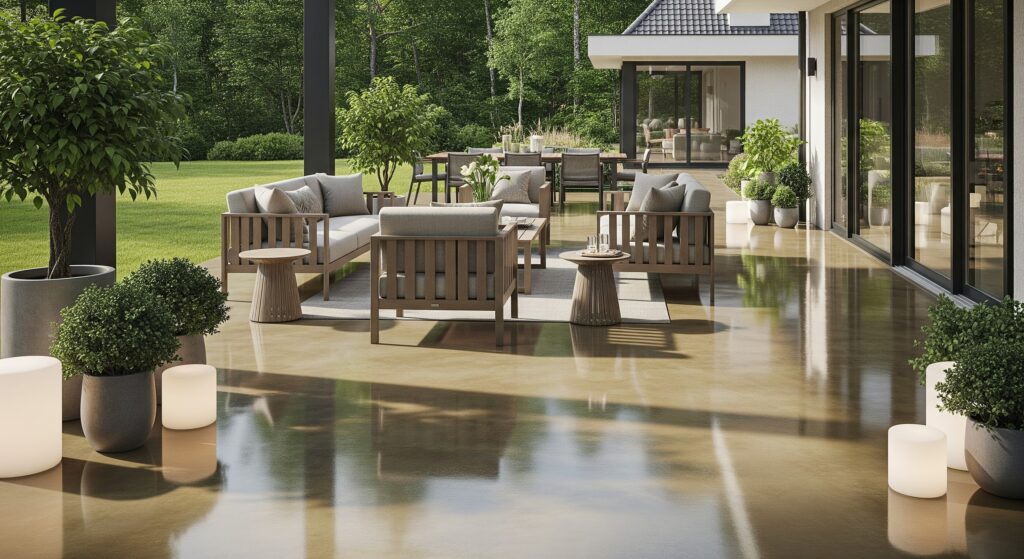
Polyaspartic coatings are an excellent alternative to epoxy, especially in areas with high UV exposure. They maintain their color and clarity even under intense sunlight.
- Long-Lasting Color: Polyaspartic coatings do not yellow over time.
- Enhanced UV Protection: They offer superior protection against UV rays.
Durability in Extreme Temperatures
Polyaspartic coatings are designed to withstand extreme temperatures, making them ideal for the DFW climate.
- Heat Resistance: They remain stable and do not degrade in high temperatures.
- Robust Performance: These coatings are highly durable and resistant to wear and tear.
Fast Curing and Installation Process
One of the significant advantages of polyaspartic coatings is their quick curing time, allowing for faster installation and minimal downtime.
- Quick Application: The fast curing process means your floor is ready for use sooner.
- Efficient Installation: Professional installers can complete the job quickly and efficiently.
Maintaining Your Concrete Coating in DFW Heat
Regular Cleaning Practices
Consistent cleaning is essential to maintain the appearance and integrity of your concrete coating.
- Scheduled Cleaning: Establish a regular cleaning schedule to prevent dirt buildup.
- Use Appropriate Products: Choose cleaning products that are safe for your specific coating type.
Addressing Stains and Spills Promptly
Promptly addressing stains and spills can prevent long-term damage to your floor.
- Immediate Action: Clean up spills as soon as they occur to avoid staining.
- Stain Removal: Use appropriate stain removers for tough spots.
Seasonal Inspection and Touch-ups
Regular inspections and touch-ups can help in identifying and addressing potential issues before they escalate.
- Routine Inspections: Check for signs of wear and damage regularly.
- Timely Repairs: Address any issues promptly to maintain the floor’s appearance and functionality.
Why Choose Duramen for Your Concrete Coating Needs
Expertise in DFW Climate Conditions
Duramen Texas specializes in concrete coatings tailored for the DFW climate, ensuring optimal performance and longevity.
- Local Knowledge: Understanding of local weather conditions and their impact on flooring.
- Customized Solutions: Tailored solutions to meet the specific needs of DFW homeowners.
Premium Materials and Application Techniques
Duramen uses only the highest quality materials and advanced application techniques to ensure superior results.
- Top-Quality Products: Use of premium materials that offer excellent durability and resistance.
- Expert Application: Skilled professionals ensure a flawless finish.
Comprehensive Warranty Coverage
Duramen offers comprehensive warranty coverage, providing peace of mind and assurance of quality.
- Warranty Protection: Coverage for materials and workmanship.
- Customer Support: Dedicated support team to address any concerns.
Comparing Concrete Coating Options for DFW Garages
| Type | What It Is / How It Works | Strengths | Weaknesses in DFW | Best Use Cases |
| Standard 100% Epoxy | Two-part resin + hardener applied over concrete, often with decorative flakes or chips | Strong adhesion, nice gloss, good chemical resistance | Tendency to yellow under UV, may become brittle or craze in extreme heat cycles, longer cure times | For fully enclosed garages with little sun, interior workshops |
| Epoxy + Urethane / Polyurethane Topcoat | Epoxy base + UV-resistant clear top coating | Better UV protection, reduces yellowing, combines strengths | Adds cost; topcoat can delaminate if prep was poor | Where part of the floor gets sun exposure or you want extra protection |
| Polyaspartic / Polyurea (Hybrid coatings) | Rapid-cure aliphatic coatings, often used as topcoat or full system | Very good UV stability, fast cure, handles temperature changes better | More expensive upfront, sometimes thinner film per coat, needs experienced installer | Ideal for DFW garages that see open doors, semi-outdoor spaces |
| Acrylic / Acrylic Sealers / Clear Sealers | Thin coats sprayed on for gloss & protection, little build | Cheap, easy to apply, low maintenance | Minimal thickness, less impact / chemical resistance, poor long-term durability in heavy use | Decorative overlays, accent zones |
| Concrete Overlays / Microtoppings | Thin cementitious or polymer overlays, sometimes combined with epoxy sealer | Can hide cracks, reset surface, add texture | If not properly matched / cured, overlay may crack with substrate; overlays + coatings are “double system,” adding complexity and cost | Floors with damage, uneven slabs, or when you want a visual reset before coating |
Final Thoughts
Choosing the right concrete coating for your DFW home is essential to ensure durability and aesthetic appeal. By understanding the causes of epoxy yellowing and exploring alternative options like polyaspartic coatings, you can make informed decisions that enhance the value and longevity of your floors. Trusting professionals like Duraamen can provide peace of mind and superior results.
FAQs
How long does epoxy flooring last in Texas heat?
Epoxy flooring can last several years in Texas heat if properly maintained. However, the intense UV exposure and high temperatures can accelerate wear and yellowing. Choosing UV-resistant epoxy and ensuring proper installation can extend its lifespan.
Can yellowed epoxy floors be fixed?
Yes, yellowed epoxy floors can often be fixed through cleaning, maintenance, and recoating. In some cases, alternative coatings like polyaspartic may be recommended for better UV resistance and durability. Consulting with a professional can provide the best solution for your specific situation.
What is the best garage floor coating for hot climates?
Polyaspartic coatings are considered the best for hot climates due to their superior UV resistance and durability. They maintain their color and integrity even under extreme temperatures, making them ideal for DFW garages. Polyurea is another excellent option for its quick curing time and robust performance.
How often should I reseal my epoxy floor in DFW?
Resealing your epoxy floor every 1-3 years is recommended to maintain its appearance and durability. The frequency depends on the level of wear and exposure to UV rays. Regular inspections can help determine the optimal resealing schedule for your floor.