

Commercial floor coatings are essential for businesses looking to enhance the functionality and appearance of their spaces. These coatings provide a protective layer that can withstand heavy foot traffic, spills, and other common wear and tear. By investing in commercial floor coatings, businesses can ensure their floors remain in top condition for years to come.
Choosing the right floor coating can significantly impact a business’s operations. Not only do these coatings improve safety and durability, but they also contribute to a more professional and appealing environment. This article explores the various reasons why businesses should consider commercial floor coatings and the benefits they offer.
- Protection Against Wear and Tear: Commercial floor coatings protect against scratches, stains, and other damage.
- Enhanced Aesthetic Appeal: These coatings can improve the overall look of a business space.
- Increased Longevity: Properly applied coatings can extend the life of a floor.
Boosting Aesthetic Appeal in Business Spaces

Boosting Aesthetic Appeal
Commercial floor coatings can transform the look of a business space, making it more inviting and professional. A well-coated floor can reflect a company’s brand and create a positive impression on clients and customers. With a variety of colors and finishes available, businesses can customize their floors to match their unique style.
Aesthetic appeal is not just about looks; it also plays a role in employee satisfaction. A visually pleasing work environment can boost morale and productivity, making it a worthwhile investment for any business.
- Customizable Options: Choose from a range of colors and finishes to match your brand.
- Professional Appearance: A well-coated floor can enhance the overall look of your business.
- Improved Employee Morale: Aesthetic improvements can lead to a more positive work environment.
Increasing Property Value
Investing in commercial floor coatings can increase the value of a property. High-quality coatings can make a space more attractive to potential buyers or tenants, offering a competitive edge in the real estate market. Durable and well-maintained floors are a key selling point for any commercial property.
In addition to increasing property value, floor coatings can also reduce maintenance costs. By protecting the underlying floor, these coatings minimize the need for repairs and replacements, offering long-term savings for property owners.
- Attractive to Buyers: Well-coated floors can make a property more appealing.
- Reduced Maintenance Costs: Protecting the floor reduces the need for repairs.
- Long-Term Investment: Floor coatings can offer financial benefits over time.
Customization Options for Unique Business Needs
Commercial floor coatings offer a range of customization options to meet the specific needs of different businesses. Whether it’s a retail store, restaurant, or industrial facility, there are coatings designed to handle the unique challenges of each environment. From slip-resistant surfaces to chemical-resistant coatings, businesses can choose the features that best suit their operations.
Customization also extends to the aesthetic aspects of floor coatings. Businesses can select colors, patterns, and textures that align with their brand identity, creating a cohesive and professional look throughout their space.
- Tailored Solutions: Choose coatings that meet your specific business needs.
- Safety Features: Options like slip resistance can enhance workplace safety.
- Brand Alignment: Customize colors and patterns to match your brand.
Cost-Effectiveness and Long-Term Savings
While the initial investment in commercial floor coatings may seem significant, the long-term savings they offer make them a cost-effective choice. By protecting floors from damage, these coatings reduce the need for costly repairs and replacements. Additionally, they can lower maintenance costs by making floors easier to clean and maintain.
The durability of commercial floor coatings means they can last for many years, providing ongoing value to businesses. This longevity, combined with reduced maintenance expenses, makes floor coatings a smart financial decision for any business looking to optimize its operations.
- Reduced Repair Costs: Protect floors from damage and minimize repair needs.
- Lower Maintenance Expenses: Coated floors are easier to clean and maintain.
- Long-Lasting Investment: Durable coatings provide value for years to come.
Key Benefits of Using Epoxy Flooring in Commercial Kitchens and Food Processing Areas
Hygiene and Cleanliness
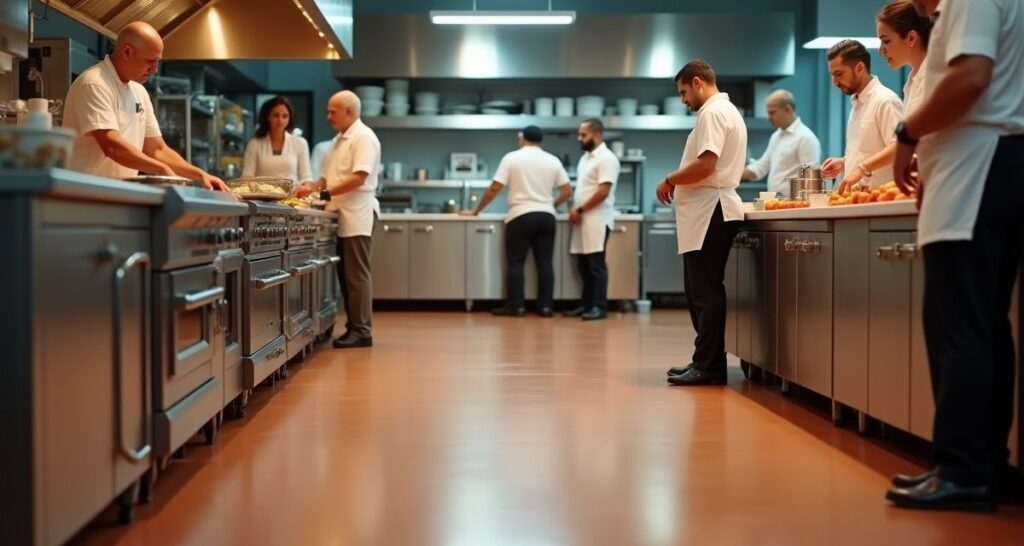
Epoxy flooring is an excellent choice for commercial kitchens and food processing areas due to its hygienic properties. The seamless surface of epoxy floors prevents the accumulation of dirt and bacteria, making it easier to maintain a clean and sanitary environment. This is crucial in food-related industries where hygiene is a top priority.
In addition to being easy to clean, epoxy floors are resistant to moisture and spills, further enhancing their suitability for kitchens and food processing areas. This resistance helps prevent the growth of mold and mildew, ensuring a safe and healthy workspace.
- Seamless Surface: Prevents dirt and bacteria buildup.
- Moisture Resistance: Protects against spills and prevents mold growth.
- Easy to Clean: Simplifies maintenance and ensures a sanitary environment.
Resistance to Chemicals and Stains
Epoxy flooring is highly resistant to chemicals and stains, making it ideal for environments where spills and exposure to harsh substances are common. This resistance ensures that the floor remains in good condition, even in challenging settings like commercial kitchens and food processing areas.
The chemical resistance of epoxy floors also contributes to their longevity, as they are less likely to suffer damage from spills or cleaning agents. This durability makes epoxy flooring a cost-effective choice for businesses looking to minimize maintenance and replacement costs.
- Chemical Resistance: Withstands exposure to harsh substances.
- Stain Resistance: Keeps floors looking clean and new.
- Durability: Reduces the need for frequent repairs or replacements.
Durability in High-Traffic Areas
Epoxy flooring is known for its durability, making it an excellent choice for high-traffic areas. In commercial kitchens and food processing facilities, floors are subjected to constant foot traffic, equipment movement, and other stresses. Epoxy floors can withstand these challenges, maintaining their integrity and appearance over time.
The durability of epoxy flooring also means it can handle the weight of heavy equipment without cracking or deteriorating. This makes it a reliable option for businesses that require robust flooring solutions to support their operations.
- High Traffic Tolerance: Withstands constant foot traffic and equipment movement.
- Heavy Equipment Support: Handles the weight of machinery without damage.
- Long-Lasting Performance: Maintains integrity and appearance over time.
Maintenance Requirements of Epoxy and Polyurea Coatings
Maintenance Tips for Polyurea Coatings
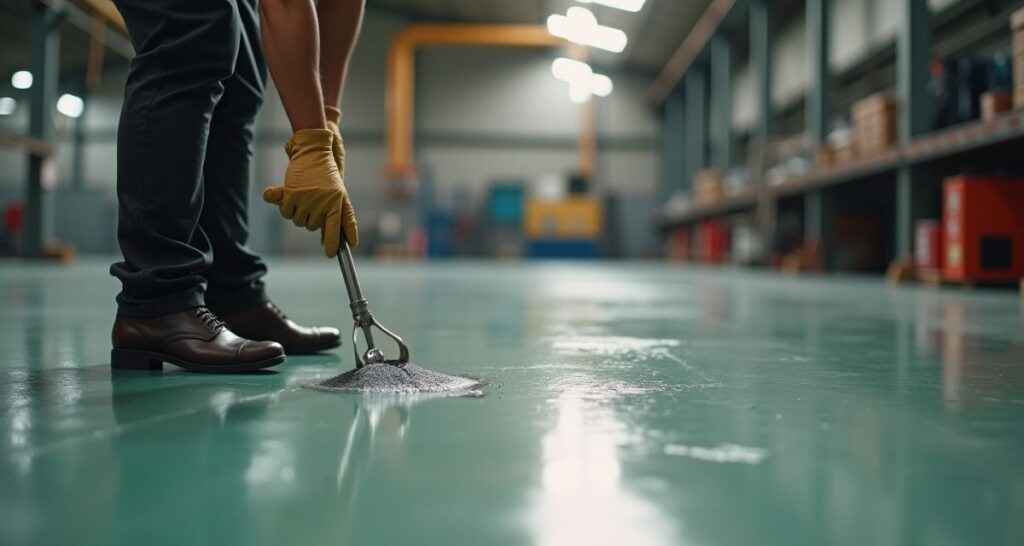
Polyurea coatings are known for their low maintenance requirements, making them an attractive option for businesses. To keep polyurea-coated floors in optimal condition, regular cleaning with mild detergents and water is recommended. Avoid using harsh chemicals or abrasive cleaning tools, as these can damage the coating.
In addition to regular cleaning, it’s important to address any spills or stains promptly to prevent them from setting in. By following these simple maintenance tips, businesses can ensure their polyurea-coated floors remain in excellent condition for years to come.
- Regular Cleaning: Use mild detergents and water for routine maintenance.
- Avoid Harsh Chemicals: Prevent damage by using gentle cleaning products.
- Prompt Spill Cleanup: Address spills quickly to prevent staining.
Comparing Maintenance Needs of Epoxy and Polyurea
When comparing the maintenance needs of epoxy and polyurea coatings, both offer low-maintenance solutions, but there are some differences to consider. Epoxy floors require regular sweeping and mopping to keep them clean, while polyurea coatings may need less frequent cleaning due to their superior resistance to stains and chemicals.
Both types of coatings benefit from prompt spill cleanup and the use of gentle cleaning products. However, polyurea’s faster curing time and greater flexibility make it a more resilient option in environments with fluctuating temperatures or heavy equipment use.
- Epoxy Maintenance: Regular sweeping and mopping are essential.
- Polyurea Maintenance: Less frequent cleaning due to stain resistance.
- Spill Management: Prompt cleanup is important for both coatings.
Considerations When Choosing Epoxy Flooring for High-Traffic Commercial Areas
Durability and Wear Resistance
When selecting epoxy flooring for high-traffic commercial areas, durability and wear resistance are key considerations. Epoxy floors are designed to withstand heavy foot traffic and the movement of equipment, making them ideal for busy environments. Their robust nature ensures they maintain their appearance and functionality over time.
In addition to their durability, epoxy floors offer excellent wear resistance, meaning they are less likely to show signs of wear and tear. This makes them a cost-effective choice for businesses looking to minimize maintenance and replacement costs.
- Heavy Traffic Tolerance: Withstands constant use without damage.
- Wear Resistance: Maintains appearance despite frequent use.
- Cost-Effective: Reduces the need for frequent repairs or replacements.
Slip Resistance and Safety Features
Safety is a top priority in any commercial setting, and epoxy flooring offers several features to enhance workplace safety. Slip-resistant coatings can be applied to epoxy floors to reduce the risk of slips and falls, making them a safer option for high-traffic areas.
In addition to slip resistance, epoxy floors can be customized with safety markings and color-coded zones to improve navigation and safety in the workplace. These features make epoxy flooring a practical choice for businesses looking to prioritize employee safety.
- Slip Resistance: Reduces the risk of slips and falls.
- Safety Markings: Customizable options for improved workplace safety.
- Color-Coded Zones: Enhances navigation and safety in busy areas.
Aesthetic and Design Flexibility
Epoxy flooring offers a high degree of aesthetic and design flexibility, allowing businesses to create a customized look that aligns with their brand. With a wide range of colors, patterns, and finishes available, epoxy floors can be tailored to suit any business environment.
This design flexibility extends to functional features as well, such as incorporating safety markings or creating designated zones within a space. By choosing epoxy flooring, businesses can achieve a cohesive and professional look that enhances their overall brand image.
- Customizable Designs: Choose from a variety of colors and patterns.
- Brand Alignment: Create a cohesive look that matches your brand.
- Functional Features: Incorporate safety markings and designated zones.
Best Epoxy Coatings for Coolers and Freezers
Temperature Resistance
Epoxy coatings are an excellent choice for coolers and freezers due to their temperature resistance. These coatings can withstand extreme cold without cracking or deteriorating, making them ideal for environments where temperature fluctuations are common.
In addition to their temperature resistance, epoxy coatings provide a seamless surface that prevents moisture infiltration, reducing the risk of damage from condensation or spills. This makes them a reliable option for businesses that require durable flooring solutions in cold storage areas.
- Extreme Cold Tolerance: Withstands low temperatures without damage.
- Moisture Prevention: Seamless surface prevents moisture infiltration.
- Reliable Performance: Ideal for cold storage environments.
Moisture and Humidity Considerations
Moisture and humidity are common challenges in coolers and freezers, but epoxy coatings offer effective solutions. The seamless nature of epoxy floors prevents moisture from seeping into the substrate, reducing the risk of mold and mildew growth.
In addition to preventing moisture infiltration, epoxy coatings are resistant to humidity, ensuring they maintain their integrity and appearance in damp environments. This makes them a practical choice for businesses looking to protect their floors in coolers and freezers.
- Seamless Surface: Prevents moisture infiltration and mold growth.
- Humidity Resistance: Maintains integrity in damp environments.
- Practical Solution: Ideal for moisture-prone areas.
Different Types of Epoxy Floors for Commercial Businesses
Anti-Static Epoxy Flooring
Anti-static epoxy flooring is designed to prevent the buildup of static electricity, making it ideal for environments where sensitive electronic equipment is used. This type of flooring is commonly used in data centers, laboratories, and manufacturing facilities to protect equipment and ensure safe operations.
In addition to its anti-static properties, this type of epoxy flooring offers the same durability and aesthetic benefits as other epoxy coatings, making it a versatile choice for businesses with specific operational needs.
- Static Prevention: Protects sensitive electronic equipment.
- Versatile Use: Suitable for data centers, labs, and manufacturing.
- Durable and Aesthetic: Offers the same benefits as other epoxy coatings.
Epoxy Terrazzo Flooring
Epoxy terrazzo flooring combines the durability of epoxy with the aesthetic appeal of terrazzo, creating a visually stunning and long-lasting flooring solution. This type of flooring is ideal for businesses looking to make a statement with their interior design while benefiting from the practical advantages of epoxy.
Terrazzo flooring is highly customizable, allowing businesses to choose from a variety of colors and patterns to create a unique look. Its durability and low maintenance requirements make it a cost-effective choice for high-traffic areas.
- Aesthetic Appeal: Combines epoxy durability with terrazzo beauty.
- Customizable Designs: Choose from a range of colors and patterns.
- Cost-Effective: Durable and low maintenance for high-traffic areas.
Stone Epoxy Floors
Stone epoxy floors offer the natural beauty of stone with the durability and ease of maintenance of epoxy. This type of flooring is ideal for businesses looking to create a sophisticated and elegant environment without sacrificing practicality.
In addition to their aesthetic appeal, stone epoxy floors are resistant to stains and scratches, making them a durable choice for busy commercial spaces. Their low maintenance requirements further enhance their suitability for businesses looking to optimize their operations.
- Natural Beauty: Combines stone aesthetics with epoxy durability.
- Stain and Scratch Resistance: Maintains appearance in busy spaces.
- Low Maintenance: Easy to clean and maintain for long-lasting use.
Epoxy Mortar Floor Systems
Epoxy mortar floor systems are the most robust type of epoxy flooring, designed to withstand heavy loads and extreme conditions. This type of flooring is ideal for industrial environments where durability and strength are paramount.
In addition to their strength, epoxy mortar floors offer excellent chemical resistance, making them suitable for environments where exposure to harsh substances is common. Their durability and resistance to damage make them a cost-effective choice for businesses with demanding operational needs.
- Extreme Durability: Withstands heavy loads and extreme conditions.
- Chemical Resistance: Suitable for harsh environments.
- Cost-Effective: Durable and resistant to damage for demanding needs.
Cost Factors for Commercial Epoxy Flooring
Material and Labor Costs
The cost of commercial epoxy flooring is influenced by several factors, including material and labor costs. High-quality epoxy materials can be more expensive, but they offer superior durability and performance, making them a worthwhile investment for businesses.
Labor costs can also vary depending on the complexity of the installation and the size of the area being covered. It’s important for businesses to work with experienced professionals to ensure a high-quality installation that meets their specific needs.
- Material Quality: High-quality materials offer better performance.
- Labor Complexity: Costs vary based on installation complexity.
- Professional Installation: Ensures a high-quality and durable finish.
Surface Preparation and Installation Time
Surface preparation is a critical factor in the cost of epoxy flooring, as it affects the quality and longevity of the installation. Proper preparation involves cleaning, repairing, and priming the substrate to ensure optimal adhesion of the epoxy coating.
Installation time can also impact costs, with larger or more complex projects requiring more time and resources. Businesses should consider these factors when budgeting for their epoxy flooring project to ensure a successful and cost-effective outcome.
- Proper Preparation: Ensures optimal adhesion and longevity.
- Installation Time: Larger projects may require more time and resources.
- Budget Considerations: Factor in preparation and installation for accurate budgeting.
Estimating Total Investment for Epoxy Flooring Installation
Calculating Square Footage Costs
Calculating the total investment for epoxy flooring installation involves determining the cost per square foot. This includes the cost of materials, labor, and any additional features or customization options. By calculating the square footage costs, businesses can estimate the overall investment required for their flooring project.
In addition to square footage costs, businesses should consider any additional expenses, such as surface preparation or specialized coatings, to ensure an accurate estimate of the total investment.
- Square Footage Calculation: Determine cost per square foot for accurate budgeting.
- Additional Expenses: Consider surface preparation and customization costs.
- Accurate Estimation: Ensure a comprehensive understanding of total investment.
Considering Long-Term Maintenance and Repairs
When estimating the total investment for epoxy flooring installation, it’s important to consider long-term maintenance and repair costs. While epoxy floors are durable and low maintenance, they may require occasional repairs or touch-ups to maintain their appearance and functionality.
By factoring in these potential costs, businesses can ensure they have a comprehensive understanding of the total investment required for their epoxy flooring project. This proactive approach can help businesses make informed decisions and optimize their flooring investment.
- Maintenance Costs: Consider potential repair and maintenance expenses.
- Proactive Planning: Ensure a comprehensive understanding of total investment.
- Informed Decisions: Optimize flooring investment with accurate budgeting.
Conclusion
Commercial floor coatings offer businesses long-term durability, improved safety, and professional appeal. Whether it’s a high-traffic office, a commercial kitchen, or a retail environment, coatings like epoxy and polyurea provide protection, longevity, and cost-effective maintenance. By choosing the right system and an experienced installer, companies can boost property value, enhance workplace safety, and create an environment that supports efficiency and brand image. Investing in commercial floor coatings is not just a flooring upgrade it’s a smart business decision that pays off for years.
Frequently Asked Questions
What is the Best Type of Epoxy Flooring for High-Traffic Commercial Areas?
The best type of epoxy flooring for high-traffic commercial areas is epoxy mortar floor systems. These floors are designed to withstand heavy loads and constant use, making them ideal for busy environments. Their durability and resistance to wear and tear make them a cost-effective choice for businesses.
How Often Should Commercial Epoxy Floors Be Maintained?
Commercial epoxy floors should be maintained regularly to ensure their longevity and appearance. Routine cleaning with mild detergents and water is recommended, along with prompt spill cleanup. Regular maintenance can help prevent damage and extend the life of the flooring.
Are Epoxy Floors Safe in Food Processing Environments?
Yes, epoxy floors are safe in food processing environments. Their seamless surface prevents the accumulation of dirt and bacteria, making them easy to clean and maintain. Additionally, epoxy floors are resistant to chemicals and moisture, ensuring a hygienic and safe workspace.
What is the Typical Lifespan of Commercial Epoxy Flooring?
The typical lifespan of commercial epoxy flooring is 10 to 20 years, depending on the quality of the materials and the level of maintenance. High-quality epoxy floors that are properly maintained can last even longer, providing long-term value to businesses.
Can Epoxy Flooring Increase Property Value?
Yes, epoxy flooring can increase property value. High-quality epoxy floors enhance the appearance and functionality of a space, making it more attractive to potential buyers or tenants. Their durability and low maintenance requirements also contribute to increased property value.