


If you live in Dallas, chances are you’ve noticed cracks forming in driveways faster than you’d expect. But why do Dallas driveways crack so quickly? The answer lies in a mix of weather, soil, and wear-and-tear. North Texas has clay-heavy soil that expands when wet and shrinks when dry, putting constant pressure on concrete.
Add in scorching summers, sudden storms, and daily use, and cracks are almost inevitable. The good news? With the right maintenance and repair solutions, you can prevent small cracks from turning into costly damage. In this article, we’ll break down the causes and practical fixes.
Why Do Dallas Driveways Crack So Quickly? Causes & Solutions
Driveways in Dallas often face the challenge of cracking prematurely. Understanding the causes and solutions can help homeowners maintain their driveways effectively. This article delves into the reasons behind these cracks and offers practical solutions to extend the life of your driveway.
Common Causes of Driveway Cracking in Dallas
Driveway cracking in Dallas can be attributed to several factors. One of the primary causes is the natural settling of the ground beneath the driveway. As the soil shifts, it can create stress points that lead to cracks. Additionally, the weight of vehicles can exacerbate these stress points, causing further damage.
Another significant factor is the quality of materials used during construction. Poor-quality asphalt or concrete can deteriorate quickly, especially under the harsh conditions prevalent in Dallas. Ensuring the use of high-quality materials can mitigate this issue.
- Natural ground settling
- Vehicle weight stress
- Poor-quality construction materials
Impact of Dallas Climate on Driveway Durability
The climate in Dallas plays a crucial role in the durability of driveways. The region experiences extreme temperature fluctuations, which can cause the materials to expand and contract. This constant movement weakens the structural integrity of the driveway, leading to cracks.
Moreover, the intense heat during summer can cause the surface to become brittle, making it more susceptible to damage. Homeowners need to consider these climatic factors when planning driveway maintenance.
- Temperature fluctuations
- Intense summer heat
- Material expansion and contraction
Soil Composition and Its Effect on Driveways
The soil composition in Dallas is another critical factor affecting driveway longevity. The region is known for its expansive clay soils, which can swell and shrink with moisture changes. This movement can exert pressure on the driveway, leading to cracks.
Understanding the soil type and its behavior can help in choosing the right construction techniques and materials. Proper soil preparation and stabilization are essential to prevent future issues.
- Expansive clay soils
- Moisture-induced soil movement
- Importance of soil stabilization
Identifying Early Signs of Driveway Damage
Recognizing early signs of damage can prevent costly repairs. Homeowners should regularly inspect their driveways for any visible issues.
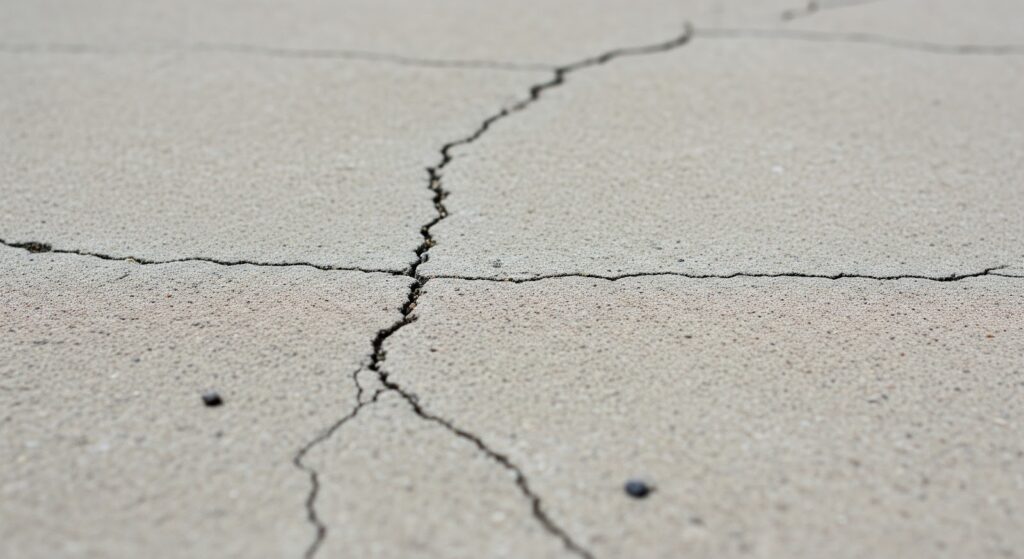
Types of Cracks in Asphalt Driveways
Asphalt driveways can develop various types of cracks, each indicating different underlying problems. Hairline cracks are often the first to appear and may not seem significant initially. However, they can widen over time if not addressed.
Block cracks, on the other hand, are larger and indicate a more severe issue, often related to the aging of the asphalt. Identifying these cracks early can help in taking timely action.
- Hairline cracks
- Block cracks
- Aging asphalt indicators
Warning Signs of Underlying Structural Issues
Beyond visible cracks, other warning signs can indicate structural issues. Uneven surfaces or depressions in the driveway can suggest problems with the foundation. These issues require immediate attention to prevent further damage.
Additionally, pooling water on the driveway surface can indicate drainage problems, which can lead to erosion and weakening of the structure.
- Uneven surfaces
- Depressions in the driveway
- Pooling water and drainage issues
When to Seek Professional Inspection
While some minor issues can be addressed with DIY solutions, certain signs warrant professional inspection. If cracks continue to widen despite repairs, it may indicate a deeper problem that requires expert intervention.
Professional inspections can provide a comprehensive assessment of the driveway’s condition and recommend appropriate solutions.
- Widening cracks
- Persistent issues despite repairs
- Need for expert assessment
Preventive Measures for Driveway Longevity
Taking preventive measures can significantly extend the life of your driveway. Proper installation and regular maintenance are key.
Proper Installation Techniques
Ensuring proper installation is the first step in preventing driveway cracks. This involves using high-quality materials and following best practices during construction. A well-prepared base and adequate compaction are crucial for a durable driveway.
Hiring experienced contractors who understand the local conditions can make a significant difference in the longevity of your driveway.
- High-quality materials
- Best construction practices
- Experienced contractors
Regular Maintenance and Sealcoating
Regular maintenance is essential to keep your driveway in good condition. Sealcoating is a preventive measure that protects the surface from moisture and UV damage. It also enhances the appearance of the driveway.
Scheduling regular sealcoating and addressing minor issues promptly can prevent them from escalating into major problems.
- Sealcoating benefits
- Protection from moisture and UV
- Enhancing driveway appearance
Improving Drainage Around Your Driveway
Proper drainage is vital to prevent water accumulation, which can weaken the driveway structure. Ensuring that water flows away from the driveway can prevent erosion and reduce the risk of cracks.
Installing drainage systems or grading the surrounding area can help in managing water effectively.
- Importance of proper drainage
- Preventing water accumulation
- Installing drainage systems
Advanced Repair Solutions for Cracked Driveways
When cracks do occur, advanced repair solutions can restore the driveway’s integrity.
Polyurethane Crack Injection Methods
Polyurethane crack injection is an effective method for repairing cracks. This technique involves injecting a flexible sealant into the cracks, which expands and fills the voids. It provides a long-lasting solution that can withstand movement and temperature changes.
This method is particularly useful for addressing hairline cracks and preventing them from widening.
- Flexible sealant injection
- Long-lasting repair solution
- Suitable for hairline cracks
Full-Depth Asphalt Patching
For more severe damage, full-depth asphalt patching may be necessary. This involves removing the damaged section and replacing it with new asphalt. It ensures a strong bond and restores the driveway’s structural integrity.
This method is ideal for addressing block cracks and other significant issues.
- Removing damaged sections
- Replacing with new asphalt
- Restoring structural integrity
Driveway Resurfacing Options
Driveway resurfacing is an option for driveways with extensive surface damage. It involves applying a new layer of asphalt or concrete over the existing surface. This not only repairs the damage but also enhances the appearance of the driveway.
Resurfacing is a cost-effective solution for driveways that are structurally sound but have surface issues.
- Applying a new surface layer
- Repairing extensive surface damage
- Cost-effective solution
Choosing the Right Materials for Dallas Driveways | Asphalt vs. Concrete
Asphalt and concrete are the most common materials for driveways, each with its pros and cons. Asphalt is flexible and can withstand temperature fluctuations better, making it suitable for the Texas climate. However, it requires regular maintenance. Concrete, on the other hand, is more durable and requires less maintenance but can crack under extreme conditions. Homeowners need to weigh these factors when choosing materials.
Asphalt Durability in Texas:
Asphalt is a popular choice in Texas due to its flexibility and cost-effectiveness, but its lifespan depends heavily on maintenance.
- Average Lifespan in Texas: 15–20 years with regular sealing and repairs.
- Strengths:
- Flexible surface adapts to soil movement, reducing cracking.
- Dark surface melts ice quickly during rare freezes.
- Faster installation and lower upfront cost.
- Weaknesses:
- Softens in extreme heat, leading to rutting or surface deformation.
- Requires sealcoating every 3–5 years to maintain durability.
- More prone to potholes in areas with poor drainage.
Concrete Durability in Texas
Concrete is often considered the premium choice due to its long life and structural strength.
- Average Lifespan in Texas: 30–40 years with proper maintenance.
- Strengths:
- Handles Texas heat better without softening.
- More resistant to heavy vehicle loads (ideal for commercial lots).
- Requires less frequent maintenance compared to asphalt.
- Weaknesses:
- Can crack under soil shifting or during freeze-thaw cycles.
- Higher upfront cost (about 40–60% more than asphalt).
- Repairs are more expensive and noticeable compared to asphalt patching.
Environmental Factors Affecting Driveway Integrity
Environmental factors can significantly impact driveway integrity.
UV Radiation and Heat Damage
UV radiation and heat can cause the driveway surface to become brittle and prone to cracking. Protecting the driveway from these elements is essential to maintain its integrity.
Using UV-resistant sealants and providing shade can mitigate these effects.
- UV radiation impact
- Heat-induced brittleness
- Protective measures
Freeze-Thaw Cycle Effects in North Texas
The freeze-thaw cycle in North Texas can cause significant damage to driveways. As water freezes and expands, it can create cracks and weaken the structure. Addressing drainage issues and using freeze-resistant materials can prevent this damage.
- Freeze-thaw cycle impact
- Water expansion effects
- Preventive measures
Chemical Exposure and Driveway Deterioration
Exposure to chemicals, such as de-icing salts and automotive fluids, can deteriorate driveway materials. These substances can cause corrosion and weaken the structure over time.
Regular cleaning and using protective sealants can minimize chemical damage.
- Chemical exposure risks
- Corrosion and weakening
- Protective measures
Legal Considerations for Driveway Repairs in Dallas
Understanding legal requirements is crucial for driveway repairs.
Permit Requirements for Major Driveway Work
Major driveway repairs may require permits from local authorities. It’s important to check with the city of Dallas to ensure compliance with regulations. Obtaining the necessary permits can prevent legal issues and ensure the work meets safety standards. In Dallas, driveway work often requires a Right-of-Way or Drive Approach Permit issued by the City of Dallas.
- When a Permit Is Required:
- Building a new driveway
- Expanding or changing the driveway width
- Connecting your driveway to a public street or alley
- Major resurfacing or material changes (asphalt to concrete, etc.)
- Where to Apply: Dallas Building Inspection Division (Development Services Department)
Homeowners Association Regulations
Homeowners associations (HOAs) may have specific regulations regarding driveway repairs. These can include guidelines on materials, colors, and design. Consulting with the HOA before starting any work can prevent conflicts and ensure adherence to community standards.
Final Thoughts
Maintaining a driveway in Dallas requires understanding the unique challenges posed by the local climate and soil conditions. By identifying early signs of damage, implementing preventive measures, and choosing the right materials, homeowners can extend the life of their driveways. Embracing innovative technologies and staying informed about legal considerations can further enhance driveway durability and performance.
FAQs
How much does it cost to repair a cracked driveway in Dallas?
The cost to repair a cracked driveway in Dallas can vary depending on the extent of the damage and the repair method used. On average, homeowners can expect to pay between $500 and $6000 for repairs. It’s advisable to get quotes from multiple contractors to find the best price.
Are heated driveways worth it in Texas?
Heated driveways can be beneficial in Texas, especially in areas prone to ice and snow. They help prevent ice buildup and reduce the need for de-icing chemicals. However, the initial installation cost can be high, so homeowners should weigh the benefits against the expense.
What is the best time of year to install a new driveway in Dallas?
The best time to install a new driveway in Dallas is during the spring or fall. These seasons offer moderate temperatures, which are ideal for curing asphalt or concrete. Avoiding extreme heat or cold ensures better results and reduces the risk of cracking.
How often should I seal my driveway in Dallas?
Driveways in Dallas should be sealed every 2 to 3 years. Regular sealcoating protects the surface from UV damage and moisture, extending the driveway’s lifespan. It’s important to follow a consistent maintenance schedule for optimal results.
What is the average lifespan of a driveway in Texas?
The average lifespan of a driveway in Texas ranges from 20 to 30 years. Factors such as material quality, maintenance practices, and environmental conditions can influence longevity. Regular maintenance and timely repairs can help maximize the lifespan.
Can tree roots cause driveway cracks?
Yes, tree roots can cause driveway cracks. As roots grow, they can exert pressure on the driveway, leading to cracks and uneven surfaces. It’s important to manage tree growth near driveways to prevent damage.
How can I extend the life of my Dallas driveway?
Extending the life of a Dallas driveway involves regular maintenance, proper installation, and timely repairs. Sealcoating, addressing drainage issues, and using high-quality materials can significantly enhance durability. Consulting with professionals can provide additional guidance.
What are the signs that my driveway needs to be replaced?
Signs that a driveway needs replacement include extensive cracking, uneven surfaces, and drainage problems. If repairs are no longer effective, replacement may be necessary. Consulting with a professional can help determine the best course of action.
Is it better to repair or replace a cracked driveway?
Deciding whether to repair or replace a cracked driveway depends on the extent of the damage. Minor cracks can often be repaired, while extensive damage may require replacement. Evaluating the condition and consulting with experts can guide the decision.