


Looking to protect your concrete floors and keep them looking new? An epoxy concrete sealant might be exactly what you need. This powerful coating creates a strong, glossy barrier that shields your concrete from moisture, chemicals, oil stains, and daily wear. Whether it’s for a garage, warehouse, or commercial space, epoxy sealing not only improves durability but also enhances appearance and makes cleaning a breeze.
In this ultimate guide to concrete sealing, we’ll cover how epoxy sealants work, why they outperform traditional options, and how to choose the right one to keep your concrete floors tough and long-lasting.
Understanding Epoxy Concrete Sealants
Epoxy concrete sealants are a popular choice for protecting and enhancing concrete surfaces. Unlike standard concrete sealers, epoxy sealants offer superior durability and resistance to various environmental factors. This guide will explore the unique properties of epoxy sealants, their benefits, and where they perform best.
What Makes Epoxy Different From Standard Concrete Sealers
Epoxy sealants are distinct from standard concrete sealers due to their chemical composition and performance characteristics. While standard sealers often provide a basic protective layer, epoxy sealants form a hard, durable surface that is resistant to abrasion and chemicals. This makes them ideal for environments where concrete surfaces are exposed to heavy wear and tear.
- Chemical Composition: Epoxy sealants are made from a combination of resin and hardener, creating a strong bond with the concrete surface.
- Durability: They offer superior resistance to physical and chemical damage compared to standard sealers.
- Application: Epoxy sealants are typically applied in thicker layers, providing a more robust protective barrier.
Benefits of Using Epoxy for Concrete Protection
Using epoxy sealants for concrete protection offers numerous advantages. These sealants not only enhance the appearance of concrete surfaces but also extend their lifespan by providing a tough, protective layer.
- Enhanced Durability: Epoxy sealants protect against scratches, stains, and chemical spills.
- Aesthetic Appeal: They provide a glossy finish that enhances the visual appeal of concrete surfaces.
- Longevity: Epoxy sealants can significantly extend the life of concrete surfaces by preventing damage.
Where Epoxy Sealants Deliver the Best Performance
Epoxy sealants are versatile and can be used in various settings. However, they deliver the best performance in specific environments where durability and resistance are crucial.
- Industrial Settings: Ideal for factories and warehouses where floors are subject to heavy machinery and chemical exposure.
- Commercial Spaces: Perfect for retail stores and showrooms that require a polished, professional appearance.
- Residential Garages: Provide a durable, easy-to-clean surface that withstands vehicle traffic and oil spills.
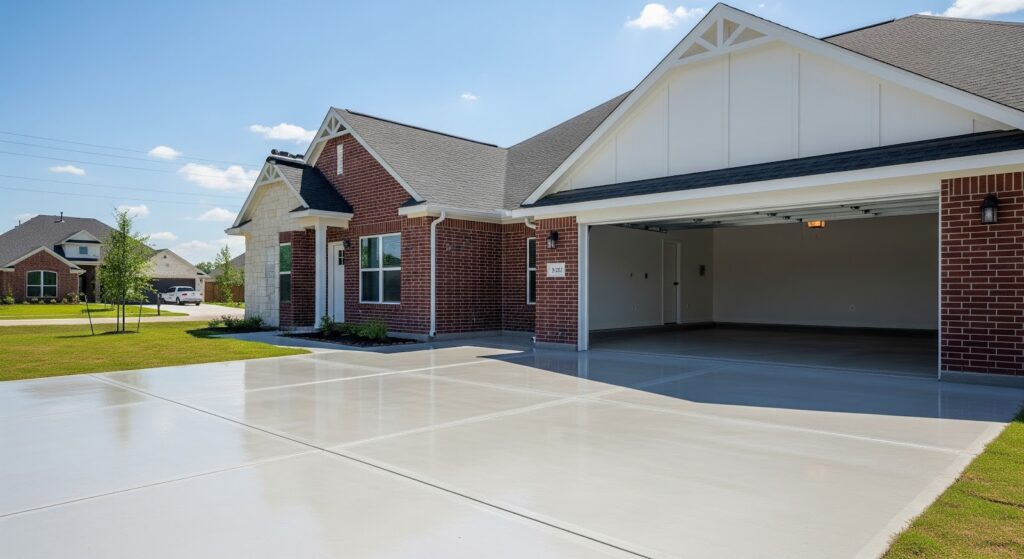
Why Concrete Needs Sealing
Concrete is a durable material, but it is not impervious to damage. Sealing concrete is essential to protect it from various environmental factors and extend its lifespan.
Protection Against Water, Chemicals, and Surface Wear
Concrete surfaces are vulnerable to water infiltration, chemical spills, and surface wear. Sealing provides a protective barrier that prevents these elements from causing damage.
- Water Resistance: Sealing prevents water from penetrating the concrete, reducing the risk of cracks and erosion.
- Chemical Protection: Sealants protect against damage from oils, acids, and other chemicals.
- Surface Wear: A sealed surface is more resistant to abrasion and wear, maintaining its appearance over time.
Preventing Cracks, Dusting, and Surface Breakdown
Unsealed concrete is prone to cracking, dusting, and surface breakdown. Sealing helps to prevent these issues by reinforcing the surface and reducing porosity.
- Crack Prevention: Sealants fill in small cracks and prevent them from expanding.
- Dust Reduction: Sealing reduces the amount of dust generated by concrete surfaces.
- Surface Integrity: A sealed surface is less likely to break down under stress.
Improving Longevity in High-Traffic Environments
In high-traffic environments, concrete surfaces are subject to constant wear and tear. Sealing helps to improve the longevity of these surfaces by providing a durable protective layer.
- Traffic Resistance: Sealed surfaces can withstand heavy foot and vehicle traffic without deteriorating.
- Maintenance Reduction: Sealed surfaces require less maintenance, saving time and money.
- Extended Lifespan: Proper sealing can double the lifespan of concrete surfaces in high-traffic areas.
Types of Epoxy Sealers and Their Applications
Epoxy sealers come in various formulations, each suited to different applications. Understanding the types of epoxy sealers available can help you choose the right one for your needs.
Water-Based Epoxy for Light-Duty Surfaces
Water-based epoxy sealers are ideal for light-duty surfaces where a less aggressive sealant is needed. They are easy to apply and environmentally friendly.
- Application: Suitable for residential floors, basements, and light commercial spaces.
- Benefits: Low odor, easy cleanup, and quick drying time.
- Limitations: Not as durable as solvent-based or 100% solids epoxy.
Solvent-Based Epoxy for High-Performance Environments
Solvent-based epoxy sealers are designed for high-performance environments where durability and chemical resistance are critical.
- Application: Ideal for garages, workshops, and commercial kitchens.
- Benefits: High resistance to chemicals and abrasion, long-lasting finish.
- Limitations: Strong odor during application, requires proper ventilation.
100% Solids Epoxy for Industrial-Grade Durability
100% solids epoxy sealers offer the highest level of durability and protection, making them suitable for industrial applications.
- Application: Used in factories, warehouses, and other industrial settings.
- Benefits: Extremely durable, resistant to heavy machinery and chemical exposure.
- Limitations: Requires professional application, higher cost.
Common Concrete Coating Problems and Solutions
Despite their benefits, epoxy concrete sealants can encounter issues. Understanding these problems and their solutions can help maintain the integrity of your sealed surfaces.
Peeling or Delamination
Peeling or delamination occurs when the epoxy coating separates from the concrete surface. This can be caused by improper surface preparation or application.
- Solution: Ensure proper surface cleaning and preparation before application. Use a primer if necessary.
Bubbling or Blistering
Bubbling or blistering can occur if the epoxy is applied in high humidity or if the surface is not completely dry.
- Solution: Apply epoxy in controlled conditions and ensure the surface is dry before application.
Yellowing or Discoloration
Yellowing or discoloration can occur due to UV exposure or chemical reactions.
- Solution: Use UV-resistant epoxy sealants and avoid exposure to harsh chemicals.
Mold or Mildew Growth
Mold or mildew can grow on epoxy surfaces if moisture is trapped beneath the coating.
- Solution: Ensure proper ventilation and moisture control in the environment.
Slippery When Wet
Epoxy surfaces can become slippery when wet, posing a safety hazard.
- Solution: Add anti-slip additives to the epoxy coating to improve traction.
Cracking in the Coating
Cracking can occur if the epoxy is applied too thickly or if the surface is not properly prepared.
- Solution: Apply epoxy in thin, even layers and ensure proper surface preparation.
Premature Wear or Fading
Premature wear or fading can occur if the epoxy is not suitable for the environment or if it is not properly maintained.
- Solution: Choose the right epoxy for the environment and follow maintenance guidelines.
Final Thoughts
Epoxy concrete sealants offer a durable and attractive solution for protecting concrete surfaces. By understanding the different types of epoxy sealants, their applications, and potential issues, you can make an informed decision for your project.
FAQs
How much does it cost to apply epoxy concrete sealant?
The cost to apply epoxy concrete sealant varies based on factors like the type of epoxy, surface area, and whether you choose DIY or professional application. On average, professional applications can range from $3 to $12 per square foot, while DIY kits may cost less but require more time and effort.
Are there budget-friendly options for concrete sealing?
Yes, there are budget-friendly options for concrete sealing, such as water-based epoxy sealants. These are generally less expensive than solvent-based or 100% solids epoxy and are suitable for light-duty applications. A DIY application can also reduce costs.
Is epoxy better than other concrete sealers?
Epoxy is often considered better than other concrete sealers due to its superior durability, chemical resistance, and aesthetic appeal. However, the best choice depends on the specific needs of the environment and the desired finish.
How do you maintain an epoxy concrete sealant?
Maintaining an epoxy concrete sealant involves regular cleaning and inspection for damage. Use mild detergents and avoid harsh chemicals that can damage the surface. Promptly repair any chips or cracks to maintain the integrity of the sealant.